
D5 Engine is a proprietary real-time rendering engine built from the ground up by D5 specifically for architectural visualization and spatial design. Engineered as a specialized foundation, it prioritizes physics-based accuracy and hardware-level efficiency, empowering design professionals to achieve high-fidelity results without the usual technical friction.
Key Takeaways: Reimagining Real-Time Rendering for Archviz
- Specialized Architecture: D5 Engine moves beyond general-purpose game logic toward a proprietary rendering core, optimized to handle massive architectural datasets and complex spatial lighting with high efficiency.
- True-to-Life Viewport Parity: By leveraging native full path tracing, the engine delivers a true WYSIWYG experience, ensuring that real-time viewport feedback matches the final high-resolution output with precision.
- Native Dual-Platform Performance: Built with a custom shader architecture, D5 Engine provides native optimization for both Windows (DX12) and macOS (Metal), removing the overhead and inconsistencies of traditional translation layers.

I. Why We Built Our Own Real-Time Rendering Engine
We’ve heard the frustrations: slow model loading, choppy performance in complex scenes, and the disappointment when a real-time preview doesn’t match the final render. Or the headache of cross-platform collaboration where files just don’t look the same on a colleague’s Mac.
The reason is simple. Mainstream real-time rendering technology evolved from game engines. While powerful, their underlying architecture was never built with the specific, high-fidelity needs of spatial design in mind.
Since the beginning, D5 Render has worked to close this gap. But as we pushed for better performance and a true “what you see is what you get” experience, we hit a wall. We realized that relying on general-purpose solutions created limitations we simply couldn’t fix at the application layer.
Because ultimately, architects shouldn’t have to fight a game engine to render a building.
That’s why we built the D5 Engine. We decided to go deeper—to build a rendering core specifically for spatial design. Our goal was to remove the final technical barriers so that nothing stands between you and your creative vision.
II. Under the Hood: Key Technical Innovations
Developing a proprietary engine is a massive undertaking. We focused our efforts on solving the fundamental bottlenecks of the industry:
1. Native Full Path Tracing: Physics-First Pipeline
We don’t treat path tracing as an add-on; it is the foundation of our entire pipeline. We moved away from hybrid algorithms to build a unified lighting model grounded entirely in physics. This means every ray of light—from direct sun to subtle corner reflections—follows the same physically accurate path.
By integrating advanced techniques like Radiance Cache, ReSTIR, and Multi-Layer Denoising, we’ve achieved a level of consistency that was previously out of reach. When you adjust a parameter, the feedback is precise and behaves exactly as real-world optics should.
2. GPU Optimization at the Hardware Level
Full path tracing requires immense computing power. To make it run in real time, we optimized the engine at the hardware level. We utilized SOA (Structure of Arrays) to organize data in a way that aligns perfectly with how modern GPUs work.
Paired with a precision compute scheduler, the system keeps the GPU efficient and busy. This allows the engine to handle complex physical calculations while keeping the viewport smooth and responsive.
3. Pushing Realism Further: Light and Materials
With the foundation set, we focused on visual quality:
- Deeper Light and Shadow: Traditional real-time rendering often limits light bounces to 1–3, which makes interiors look flat or dark. D5 Engine stably calculates multiple bounces. Light travels naturally through the scene, creating rich indirect illumination and soft shadows. You don’t need fake “fill lights”—natural skylight alone is enough to illuminate a room realistically.
- True-to-Life Materials: Using energy-conserving BRDF calculations, we’ve addressed the noise and artifacts often seen in complex materials. Glass looks transparent with accurate refraction; metals are sharp; fabrics look soft and believable.
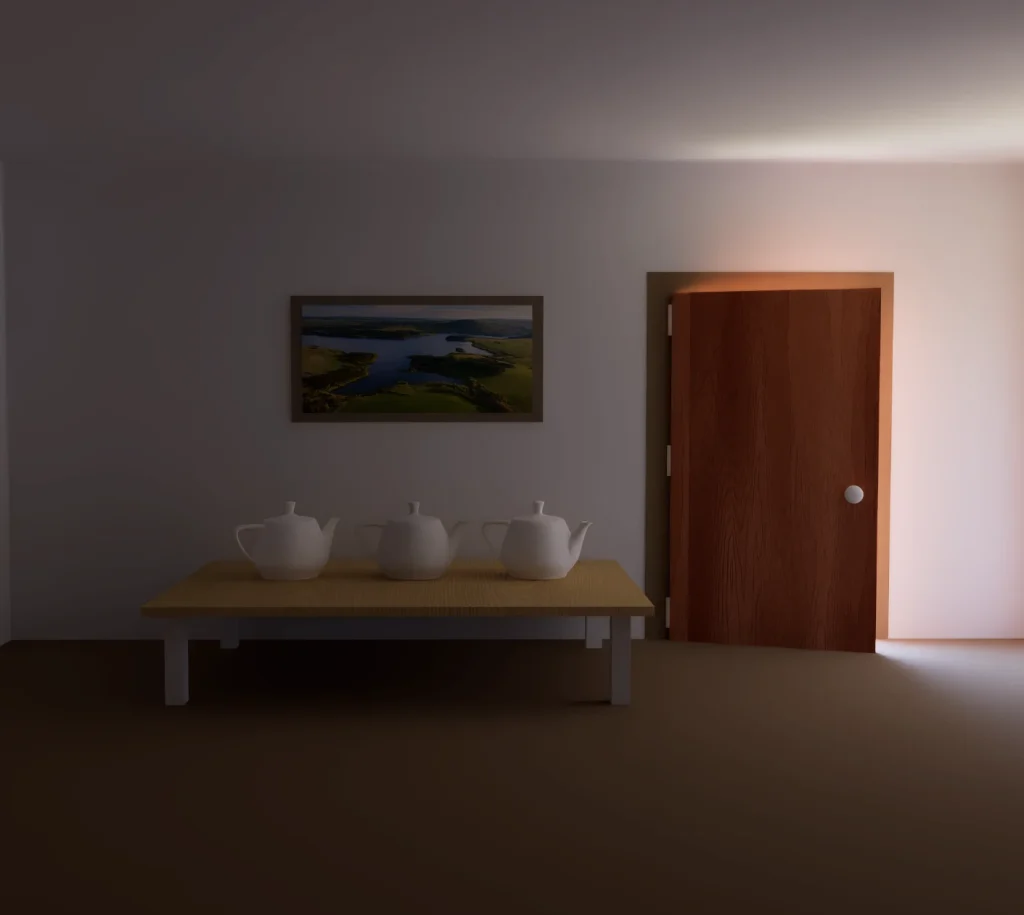
D5 Lite (powered by D5 Engine): Real-Time Viewport vs. Final Render
| Real-Time Viewport | Final Render |
|---|---|
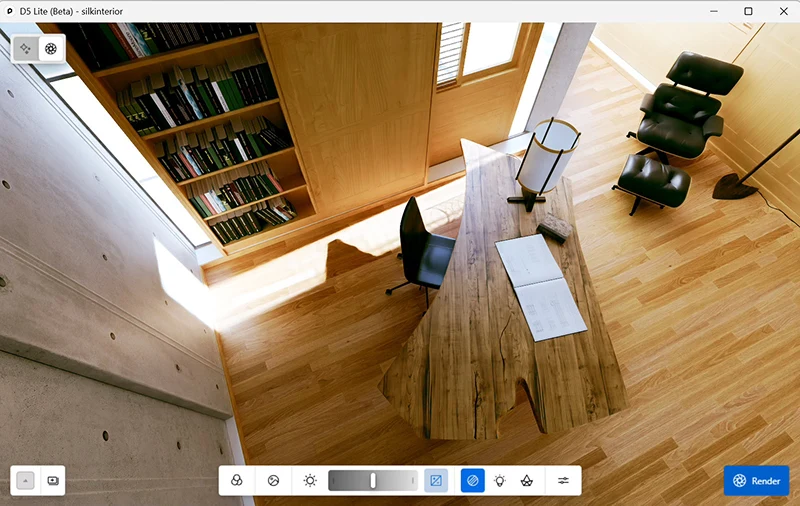 D5 Lite Real-Time Viewport | 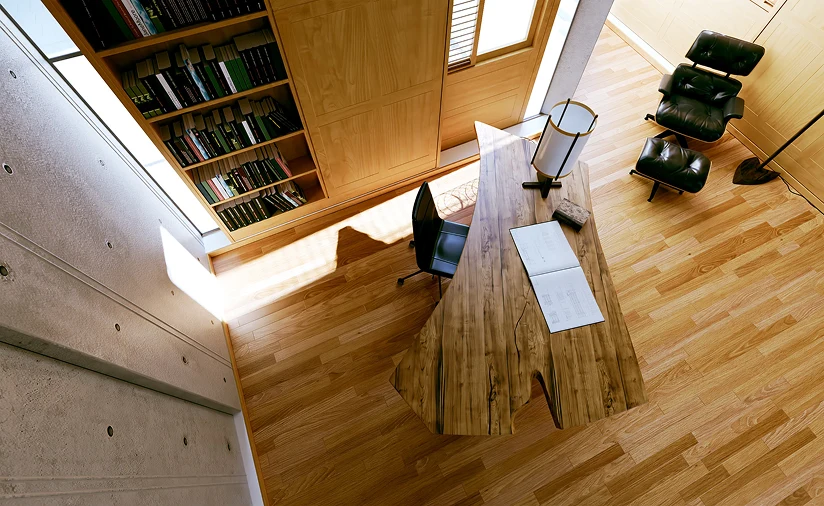 D5 Lite Final Render |
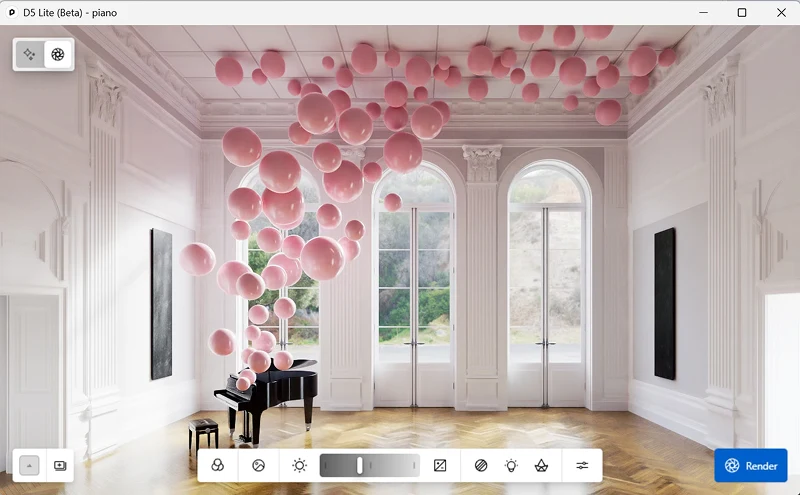 D5 Lite Real-Time Viewport |  D5 Lite Final Render |
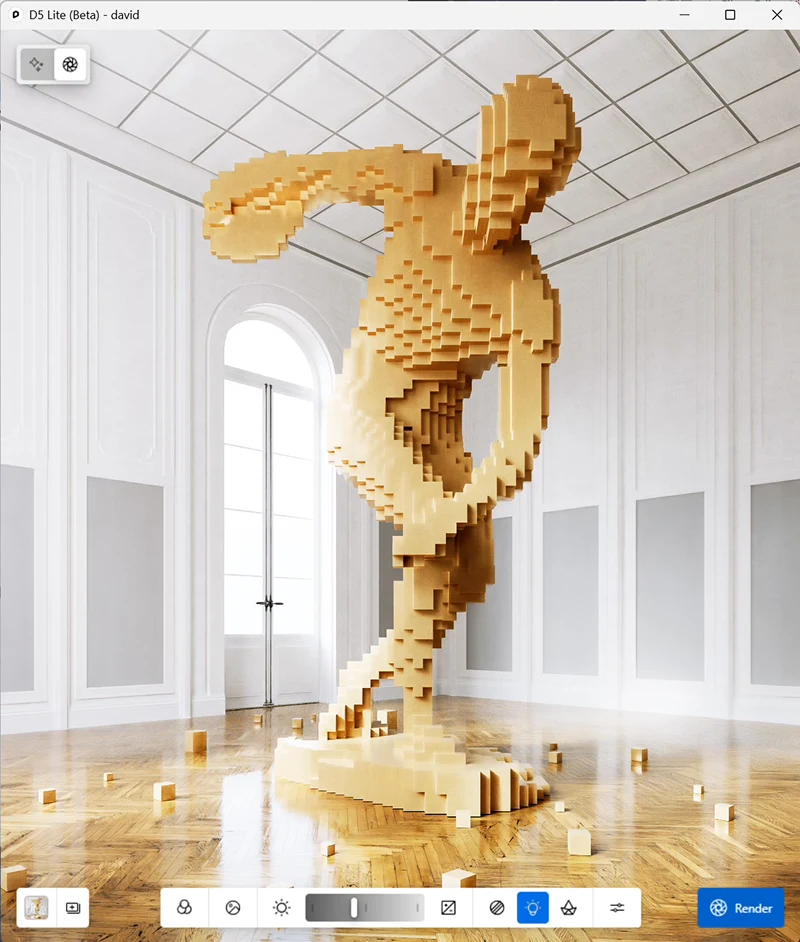 D5 Lite Real-Time Viewport |  D5 Lite Final Render |
4. Handling Complex Data
Architectural models are often heavy and complex. D5 Engine features a built-in asset pipeline that automatically handles cleanup, instancing, and format conversion. We optimized how the engine handles massive triangle counts, ensuring that switching views or editing objects remains stable, even in very large projects.
5. Native Cross-Platform Support
To ensure high performance across every system, we developed CppSL (C++ Shader Language) and its cross-platform compiler. This allows us to compile a single codebase into native DX12 (Windows) and Metal (macOS) code, eliminating compatibility issues and ensuring a consistent, optimized experience regardless of the operating system.
III. Empowering Designers: Where Speed Meets Photorealism
D5 Engine isn’t just an upgrade; it’s a specialized core for architects and designers.
- Confidence in What You See: The viewport feedback is virtually identical to the final output. You can make design decisions knowing the result will match. Stop guessing. Start designing.
- Speed Where It Counts: From loading models to exporting renders, the entire workflow is faster. Less waiting, more designing.
- Lightweight & Efficient: We stripped away the bloat of game engines to focus on spatial expression, bringing high-end rendering to a wider range of hardware.
- Built for Your Workflow: Native support for CAD/BIM structures, with lighting and camera controls designed for architects, not game developers.
- Intuitive: A clean interface that doesn’t require coding skills or game engine knowledge.
- Consistent Across Platforms: Windows and Mac users get the same high-quality experience.
IV. Technical Comparison: D5 Engine vs. Traditional Pipelines
| Feature | Traditional Real-Time Pipeline (Unreal Engine based) | D5 Engine (Proprietary Spatial Design Architecture) |
|---|---|---|
| Core DNA | Built for Game Logic. Balances physics, interaction systems, and more. Rendering is just one part of a bloated ecosystem, making it hard to optimize purely for visual fidelity. | Built for Spatial Design & Visualization. We stripped out everything that doesn’t serve rendering. Built from the ground up around full path tracing—every cycle goes toward image quality and responsiveness. |
| GI Core Algorithm | Hybrid Ray Tracing (e.g., Lumen). Compromises quality for game FPS. Relies on screen-space probes and caches, causing ghosting, light leaks, and noise in dynamic scenes. Indirect lighting lacks depth. Viewport and final render often differ. | Full Path Tracing. Combines ReSTIR and Radiance Cache for multiple bounces in real-time. Delivers deep, volumetric lighting and stability without the artifacts of hybrid methods. Viewport matches final render. |
| Output Efficiency | Offline Path Tracer. For true photorealism, you have to switch to the offline Path Tracer. Convergence is linear—piling on samples until a single frame takes minutes or hours. Real-time delivery is not an option. | Extreme Parallelism. Built on SOA data structures and precision scheduling—squeezing maximum parallel performance from the GPU. Achieves offline quality at millisecond-level speeds. |
| Interactive Fluidity Data Scheduling | General Actor Model. Data structures built for game interactions carry high VRAM overhead. BVH updates struggle with high-poly architectural models, leading to viewport lag. | Massive Scene Throughput. A lightweight kernel rewritten for architectural data streams. Handles hundreds of millions of polygons with instant loading and fluid viewport response. |
| Cross-Platform Consistency | Porting & Adaptation. Often Windows-first, with macOS support relying on translation layers or bolted-on features. Performance and visuals seldom match. | Native Dual-Platform Core. Built on a proprietary C++ shader language that compiles directly to native DX12 and Metal. Ensures identical visuals and performance on both Windows and Mac. |
Architectural differences only matter if they show up in the final result. Here’s how D5 Engine performs against UE in identical test scenes:
Real-Time Viewport (vs UE Lumen)
| UE Lumen | D5 Engine | |
|---|---|---|
| Real-time Performance | 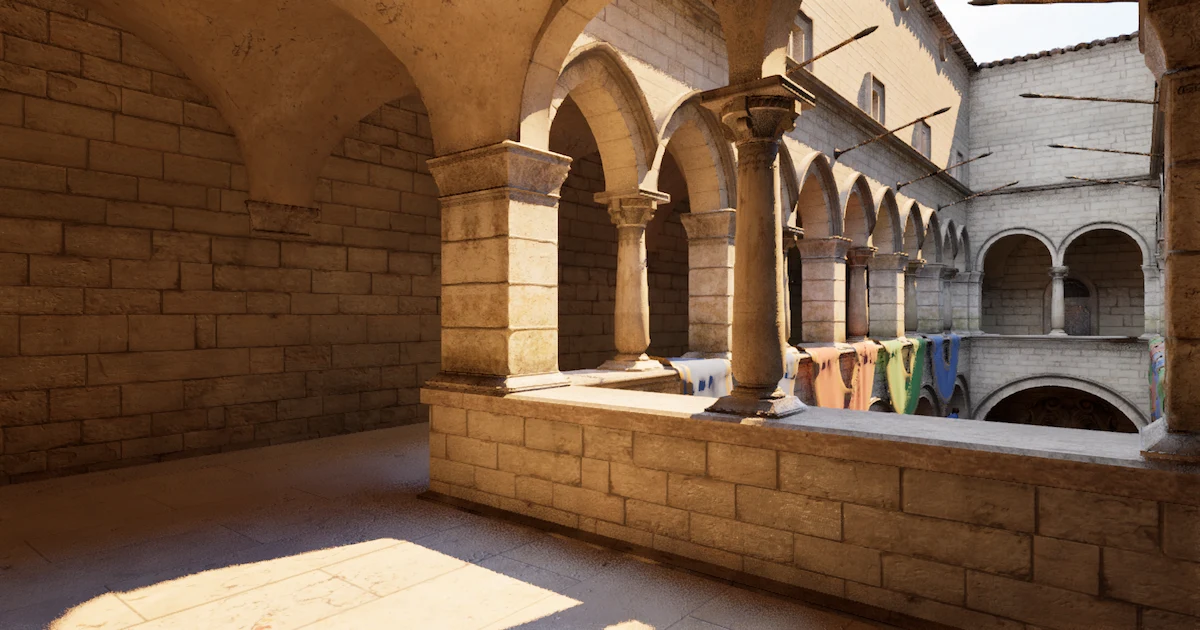 15.5ms (High Quality Preset) | 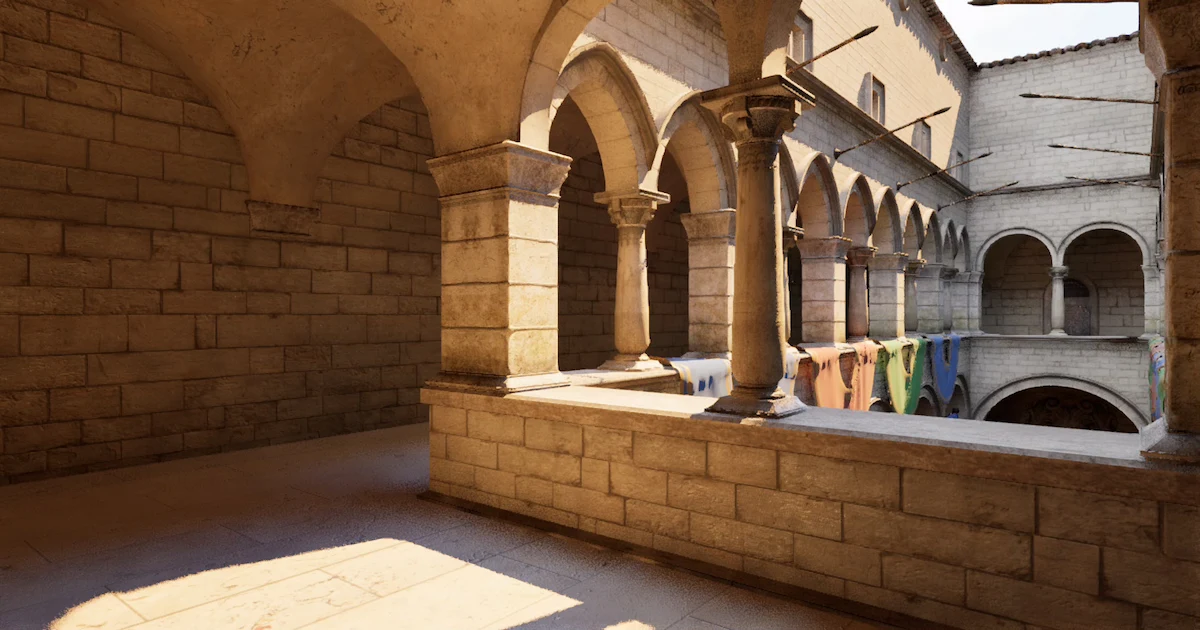 10ms (Ultra-Smooth) |
| GI | 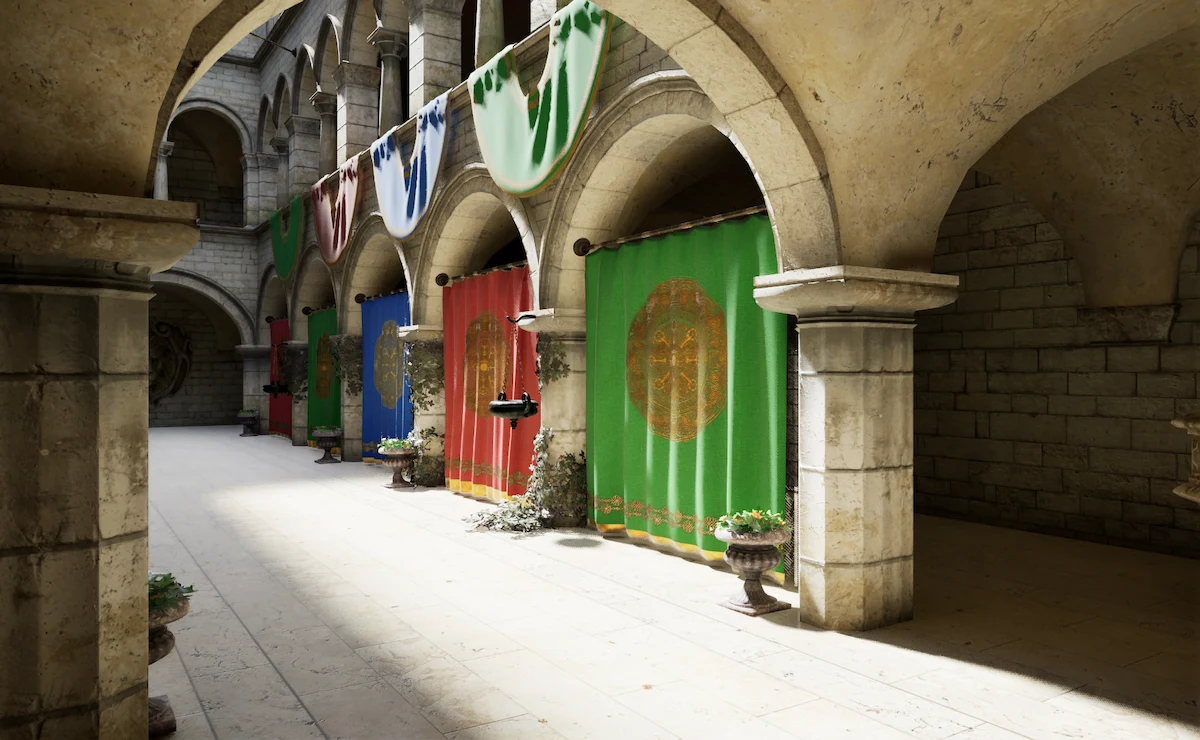 Noticeable artifacts beyond directional light | 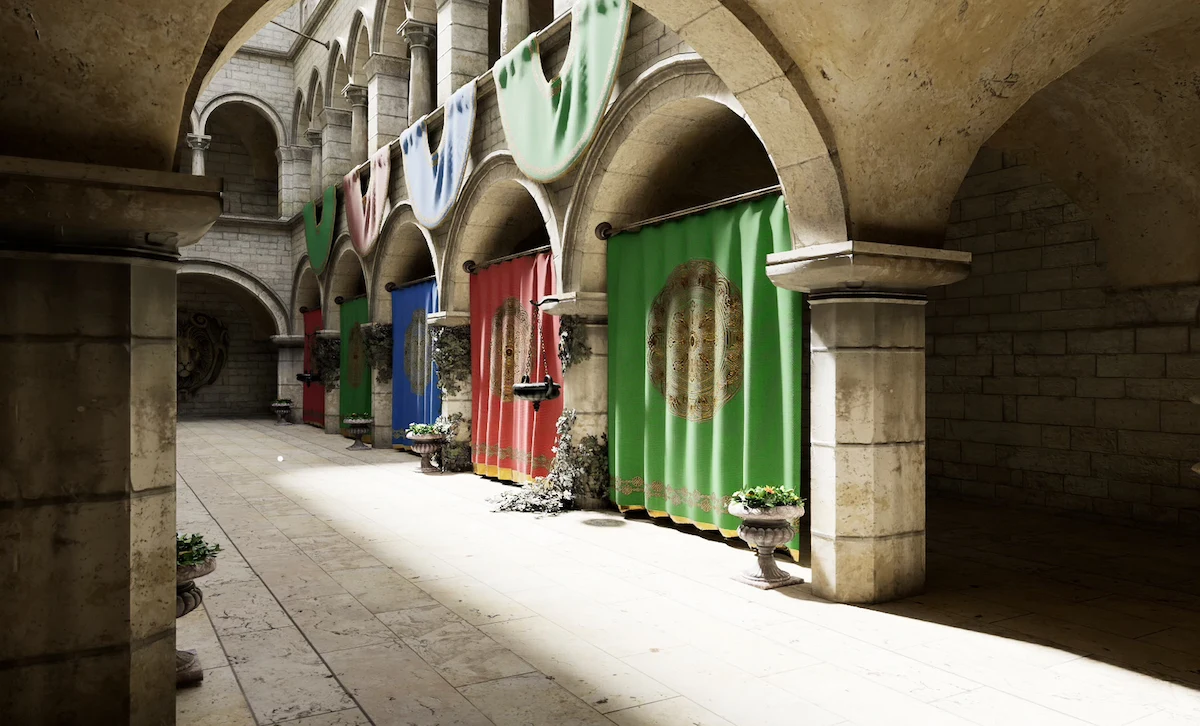 Accurate lighting from all sources with complete GI |
| Material |  Lacks detailed GI bounce |  Full GI bounce accurately captures material color and texture |
| HDR | 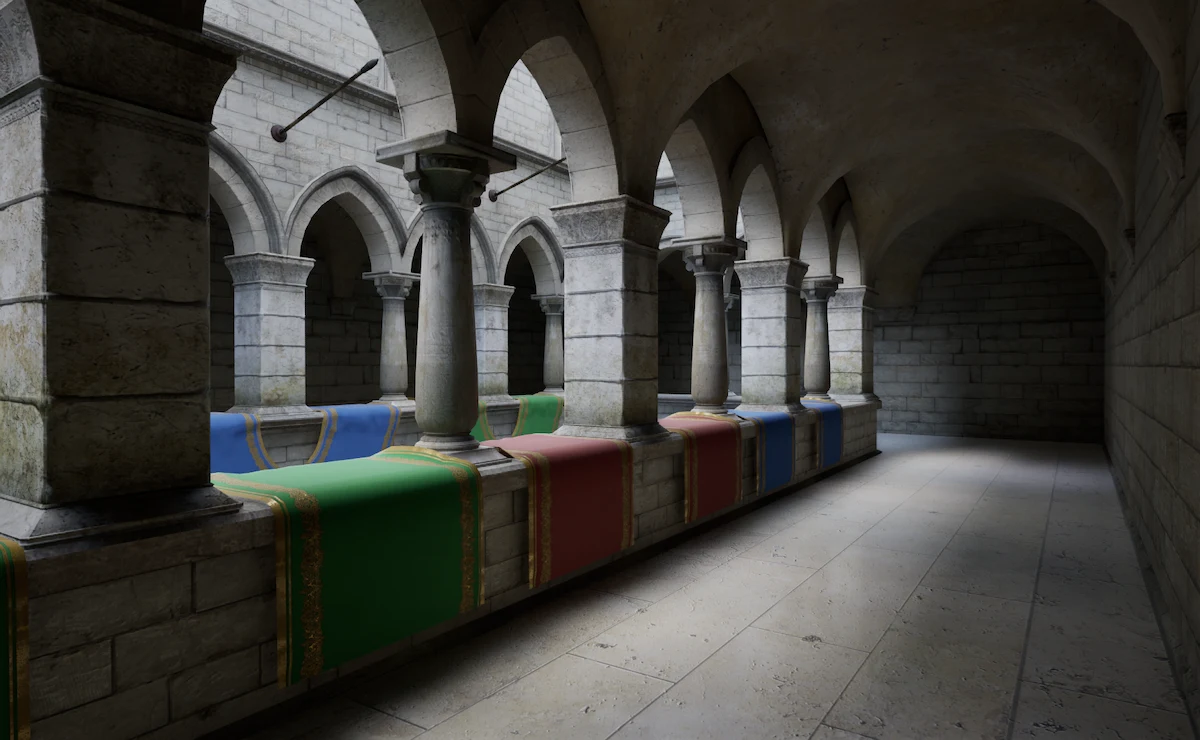 Limited high-frequency HDR sampling; difficult to light scenes with HDR alone | 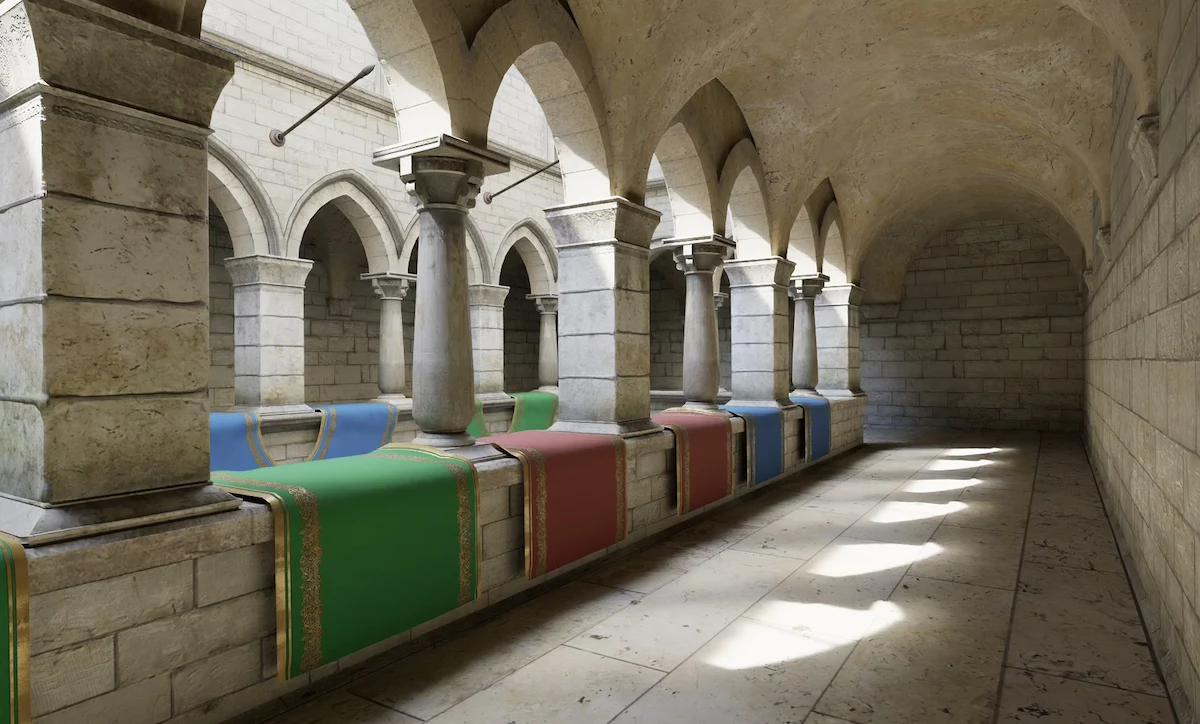 Full HDR sampling—HDR alone can realistically light a scene |
| Glass | 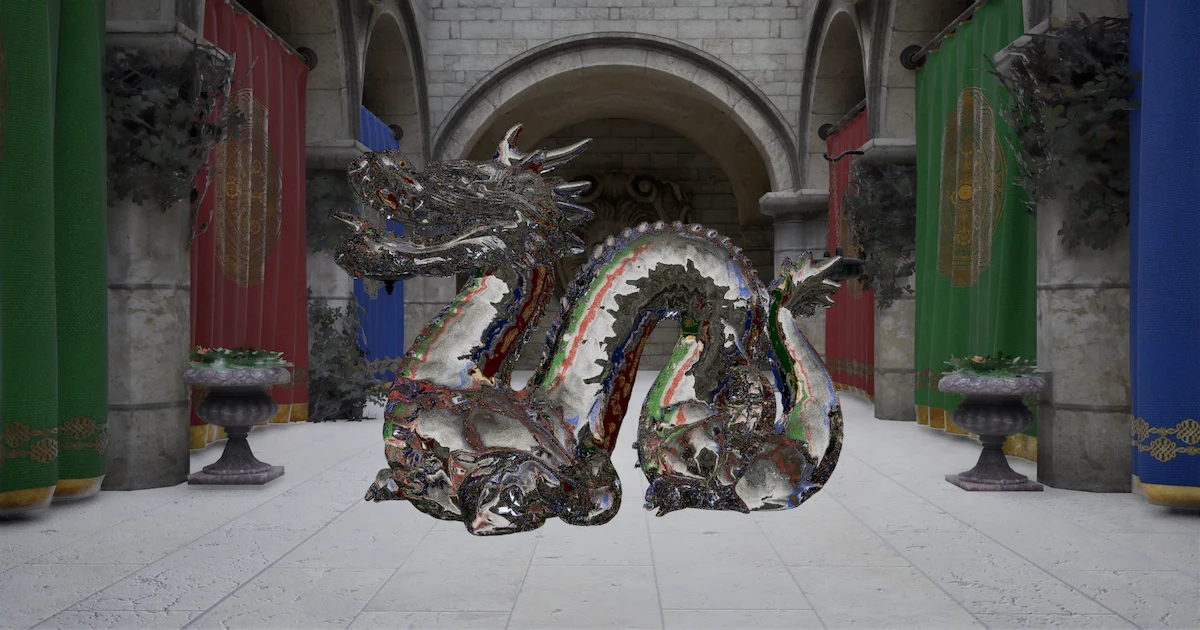 Incomplete refraction; no support for roughness; lighting cuts off | 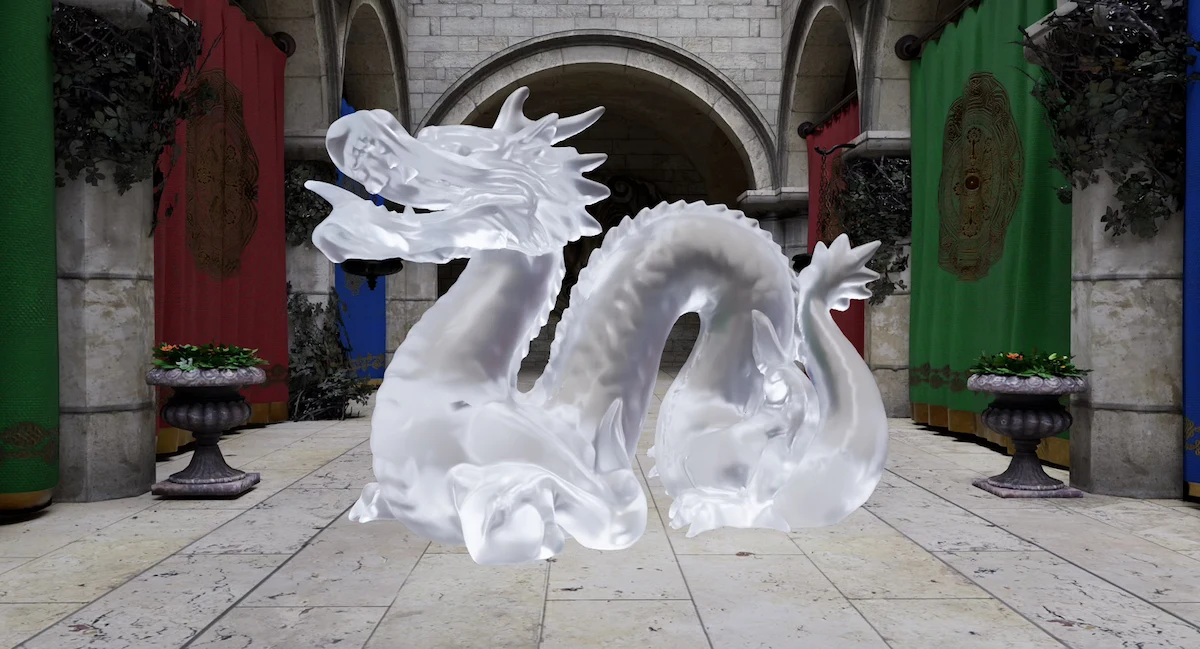 Complete reflection and refraction |
| Mirror | 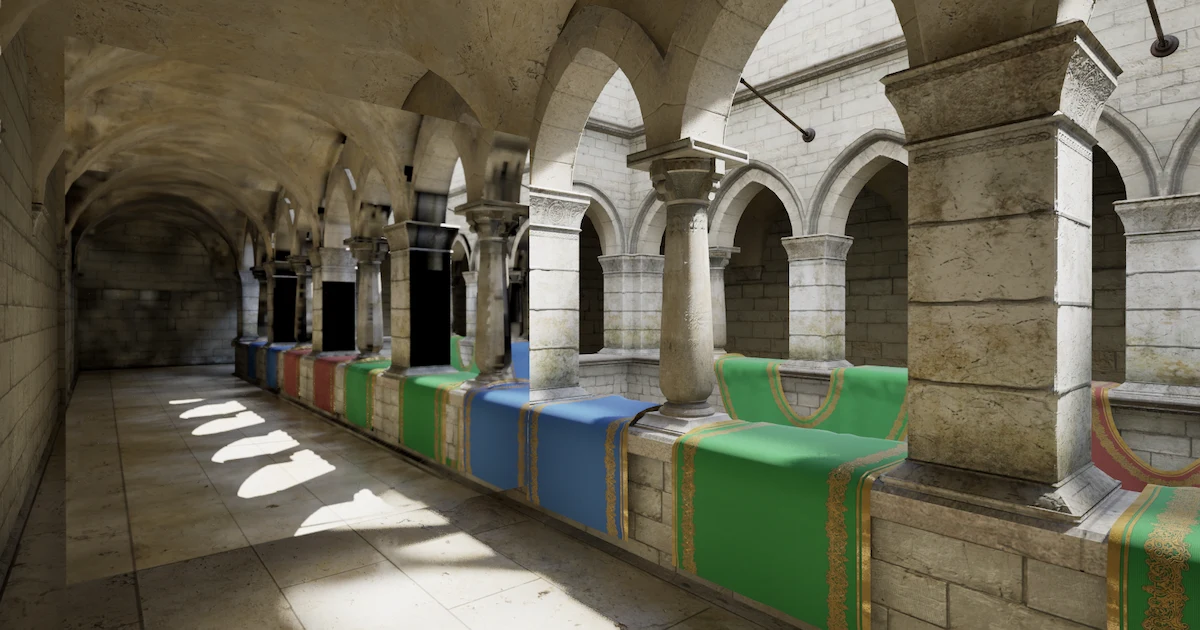 Poor reflection quality due to hybrid approach | 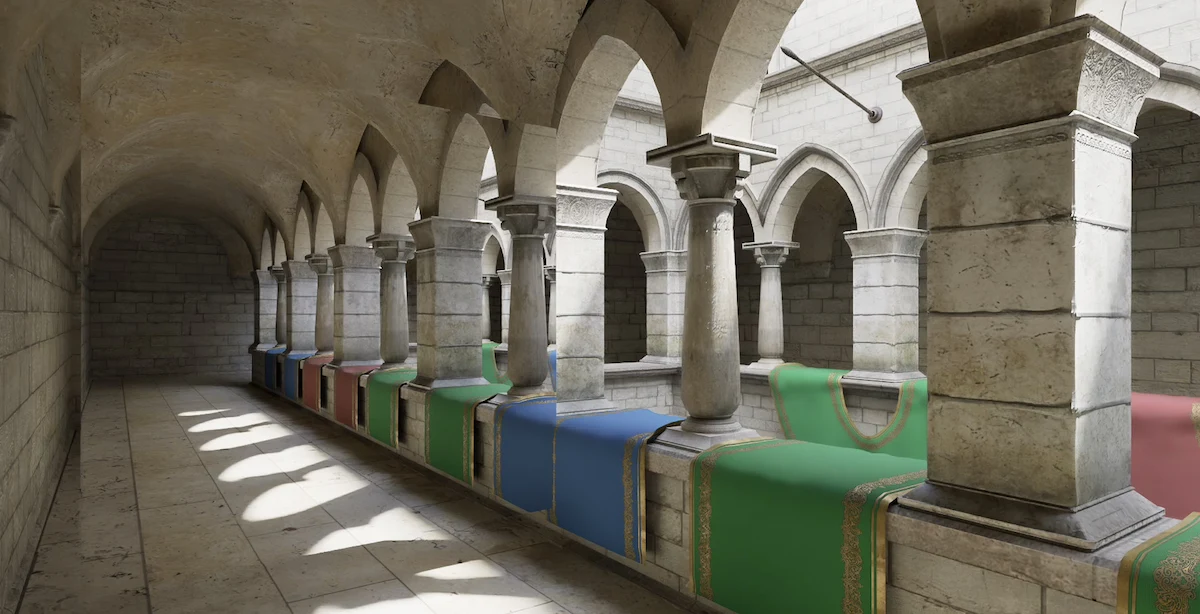 Perfect mirror reflection with full GI and skylight support |
| UE Path Tracer | D5 Engine | |
|---|---|---|
| Noise Level (same 128spp) |  | 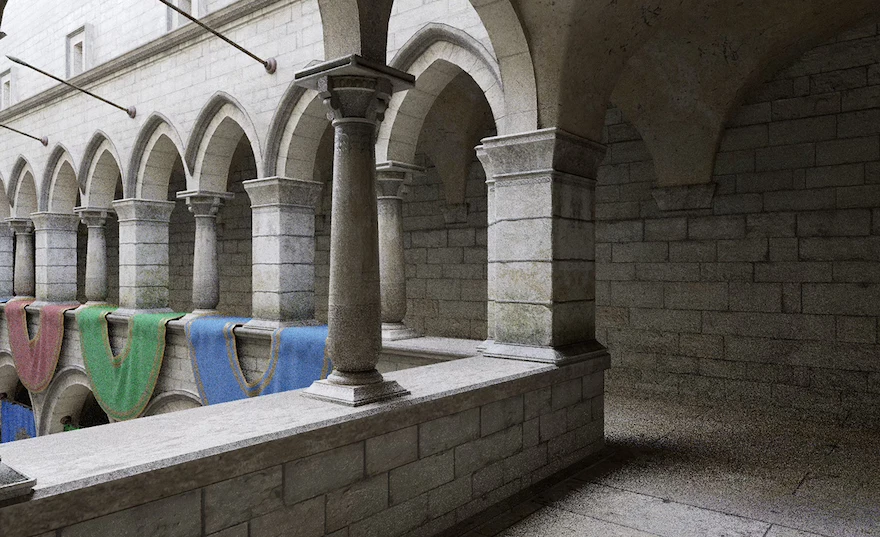 D5 shows less variance and reaches output quality faster |
| Output Time | D5 Engine converges in seconds during real-time preview, with results nearly identical to final output—so a separate render time comparison isn’t necessary. | |
In short: You no longer need to trade smooth editing for image quality, or compromise when working across platforms. D5 Engine makes “what you see” truly equal “what you get.”
V. Our Vision: Letting Creativity Flow
Since day one, our goal has been simple: to help designers express their ideas freely and efficiently.
D5 Render was our first step. But we learned that to truly enable free expression, we needed full control over the underlying technology. The limitations of existing solutions weren’t always obvious, but they were always there—quietly getting in the way.
Developing D5 Engine is our way of getting back to the essence of design. It’s a move from building apps to building core technology, all to bridge the gap between your imagination and the visual result.
Every technical decision we make is aimed at one thing: a smoother, more reliable creative process for you.
VI. Looking Ahead
We are continuing to push the engine’s capabilities. Upcoming features include:
- Professional Color Management: Including support for ACES.
- Advanced Materials: Researching spectral rendering and multi-layer materials to simulate complex surfaces like oxidized metal.
- Better Environments: More dynamic volumetric clouds and atmosphere.
- AI Integration: Exploring how Generative AI can assist with modeling and lighting to further speed up your workflow.
VII. Closing Thoughts
We believe the best technology should be invisible—it should just work, supporting your expression without getting in the way.
D5 Lite—AI-native visualization plugin for early-stage design—is now powered by D5 Engine, offering rapid visualization for schematic exploration. Together with D5 Render, it completes a new D5 workflow.
We can’t wait to see what you create with it.
Continue Reading: Deep Dives into Real-Time Architectural Visualization
Real-Time vs Traditional Rendering: Key Differences
Why You Should Switch to Real Time Rendering?
D5 GI | What’s Global Illumination and Why We Need It?
Elevate Luxury Interior Design with Real-Time Visualization
How Settanta7 Future-Proofed Their Workflow with Real-Time Rendering
Real-time raytracing close to Vray for interior design | GI, SSS and dynamic assets
FAQ: Solving Common Real-Time Rendering Challenges


 English
 Español
 Français
 한국어
한국어 日本語
日本語